Navigating Legal Battles and Creative Innovation in Interactive Entertainment
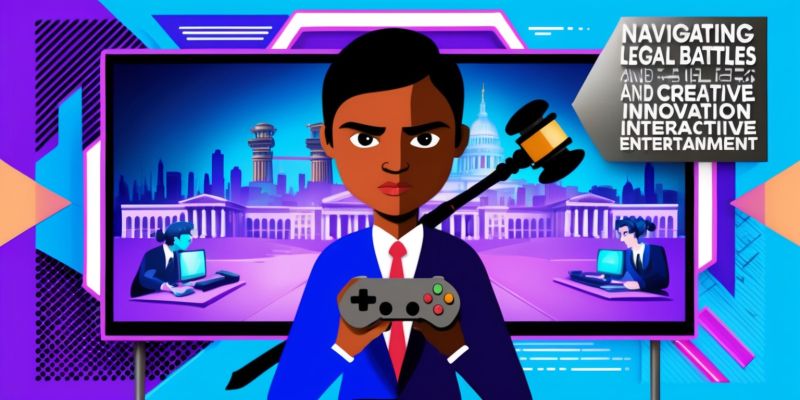
The recent legal dispute between two major industry players has sparked significant discussion among enthusiasts and professionals alike. The unfolding scenario centers on allegations of mimicry in design and narrative, touching on various facets of intellectual property, narrative technique, and character representation. Players and critics are now observing Instead of "not only the legal intricacies, but also the," you might use: "it's not merely the complex legal details at hand, but also the" potential effects on creative direction and market expectations. With a focus on detailed gameplay mechanics, robust aesthetics, and innovative marketing strategies, the attention has shifted to understanding how such legal maneuvers might influence future developments in interactive entertainment. The conversation extends beyond the courtroom, encompassing how storytelling and visual artistry are interwoven in modern game creation.
Dispute in the Industry Landscape
The legal filing by a renowned entertainment giant against a major investment conglomerate marks a significant moment in the industry. This issue revolves around an upcoming game that is being challenged for closely resembling an established franchise. The suit, which accuses the game of being an overt copy, highlights allegations of design and concept infringement that have piqued the interest of enthusiasts and experts alike alike. Such disputes have long-term ramifications, not only affecting the companies involved but also influencing perceptions of originality and creativity among game developers. The claim of replicated characters and marketing strategies adds layers to the conflict, emphasizing the importance of distinct intellectual properties in today’s competitive market. The controversy has stirred debates about creative ethics and the sanctity of unique game experiences.
Divergent Narratives and Game Design
The allegations involve claims that the new game borrows heavily from a beloved franchise, raising questions about the integrity of its narrative structure and design elements. Critics point to striking similarities in character aesthetics, environment themes, and even gameplay features. As experts dissect the elements of storytelling and world-building, the conversation has turned to determining the threshold between inspiration and replication. Detailed examinations of game mechanics reveal that while many modern games share genre-specific conventions, the replication of distinctive narrative cues can blur the line between homage and imitation. This ongoing debate has encouraged a closer look at how creative inspiration is managed in collaborative and competitive environments, prompting discussions about creativity within the parameters of legal and ethical boundaries.
Visual Aesthetics and Artistic Vision
One element under close scrutiny is the unique artistic style presented by the new game, which is purported to mimic the visual charm of its predecessor. The portrayal of characters, vibrant landscapes, and meticulously designed interfaces have all drawn comparisons to an earlier, widely admired series. Enthusiasts observe that the game's color schemes, visual motifs, and character designs bear an uncanny resemblance to the established franchise, inciting a blend of admiration and criticism. Debates have arisen regarding whether the artistic choices serve as a tribute or a mere mimicry. Visual contrasts, even in subtle design elements, play a significant role in how players evaluate authenticity and originality. As perceptions differ among players, the emphasis remains on how visual storytelling can define a game’s identity and legacy.
Character Representations and Iconography
Central to the legal dispute are disputes surrounding iconic characters and their portrayal in the gaming universe. The dispute centers on the claim that one of the central characters in the new release is a deliberate emulation of a key figure from a cherished game series. This instance of comparative analysis underscores the power of well-crafted characters in establishing an emotional resonance with audiences. The debate extends to discussions on how character identity is forged through subtle nuances in behavior, appearance, and narrative context. Observers note that while character archetypes are common across the industry, the replication of a renowned persona risks muddling the unique identity that players have come to expect. Such issues illustrate the delicate balance between innovation and homage in character design.
Marketing Strategies and Public Perception
How the game has been orchestrated promoted adds another layer of complexity to the ongoing feud. Marketing campaigns have been launched that seemingly echo the tone, style, and visual elements of the more established franchise, further blurring the lines of originality. Industry experts point out that such strategies could lead to consumer confusion, with fans potentially mistaking the new title as part of the proven series. The deliberate use of similar promotional materials and character likenesses raises important questions about corporate responsibility and creative integrity. By leveraging familiar imagery and narratives, the campaign intends to capture a built-in audience, though it risks diluting the distinct identity of both brands. This approach highlights how modern marketing tactics often tread a fine line between innovation and replication.
Technical Dynamics and Gameplay Features
The technical execution of the game, particularly its gameplay mechanics and interactive systems, offers a further dimension to the discussion. Critics and players alike have observed that several core features—ranging from exploration dynamics to mission structures and interactive challenges—appear to draw heavily from the template set by the earlier franchise. The intricate balance of combat, exploration, and puzzle-solving has been meticulously crafted to evoke familiar sensations in players, simultaneously appealing to nostalgia and a sense of comfort. Despite these similarities, each element is presented with a modern twist, integrating advanced graphics and improved user interface designs. This blend of classic and contemporary game mechanics invites comparisons while prompting debates about the evolution of gameplay standards in the face of legacy influences.
Legal Frameworks and Intellectual Property
The legal action underscores the complex interplay between intellectual property rights and creative expression in the gaming industry. At the heart of the litigation is the contention that well-defined trademarks and copyrighted materials have been used without authorization. Detailed legal arguments focus on whether the replicated elements, such as character details and overall thematic expression, fall within protected boundaries. As the case progresses, both sides are expected to bring forward extensive documentation regarding licensing negotiations and product development histories. The evolving conversation in legal circles centers on the interpretation of creative inspiration versus direct appropriation. This occurrence sparks extensive debates about the significance of intellectual property in safeguarding creative endeavors, while also addressing how innovation can coexist with established precedents.
Interactions Within Digital Communities
Community engagement and reception are pivotal when considering the broader impacts of the dispute. Enthusiasts and critics have taken to various online forums to voice their opinions and share in-depth analyses of both the accused copy and the original game series. The dialogues often center on thematic integrity, gameplay balance, and character development—elements central to establishing the credibility of any game. Social media discussions have highlighted the ways in which passionate fans discern nuanced differences between tribute and adaptation. While some applaud subtle homages that reflect respect for the originals, others decry any actions perceived to undermine a franchise’s legacy. These participatory debates underline the role that digital communities play in influencing public perception and in holding companies accountable for maintaining their creative commitments.
Corporate Strategies in an Evolving Market
The strategic maneuvers by both companies reveal broader trends in how entertainment conglomerates manage intellectual property and brand expansion. One perspective highlights the calculated risks in aligning new game developments with proven franchises to secure market share. Corporate strategies have long balanced innovation with the solid appeal of iconic elements known to resonate with audiences. As negotiations and legal proceedings unfold, industry analysts note that such tactics might influence future partnerships and investment decisions across the sector. Moreover, the approach taken in the development and marketing phases has sparked conversations about acceptable boundaries in drawing from established creative resources. This scenario exemplifies how market pressures can sometimes lead to contentious overlaps in product positioning, inviting further scrutiny on ethical corporate behavior.
Storytelling Innovations and Narrative Techniques
The narrative ambitions of the new game are crafted to strike a balance between familiar storytelling techniques and innovative narrative twists. Game designers have employed a multi-layered approach that integrates environmental storytelling, character-driven plots, and immersive lore. Although controversies have arisen over the closely mirrored elements, it is evident that the creative team sought to build on successful narrative templates while infusing fresh perspectives. Specific narrative moments and dialogue sequences have been designed to evoke the emotional depth associated with epic journeys and personal explorations. While some of these choices have raised eyebrows among dedicated fans, they also underscore the continuous evolution of storytelling in the gaming medium. This dynamic interplay between homage and innovation highlights the ongoing quest to redefine interactive storytelling while respecting established legacies.
Ethical Debates and Industry Standards
The unfolding dispute has ignited broader ethical debates regarding artistic integrity and the boundaries of inspiration in modern gaming. Observers and critics have engaged in discussions about what constitutes acceptable practices in the appropriation of game elements. The challenge of determining when a creative work transitions from being a respectful tribute into an unauthorized replication continues to gain traction in industry discussions. By scrutinizing the similarities in character portrayal, thematic content, and overall artistic direction, the debate delves into the responsibilities that companies bear in protecting creative heritage. Concurrently, this situation has prompted a reevaluation of established industry standards regarding the replication of themes and ideas. Such ethical inquiries are crucial to Cultivating a setting where innovative creativity can flourish without compromising the rights and originality of established works.