Noir Fairytales and Fatal Choices in The Wolf Among Us Remastered
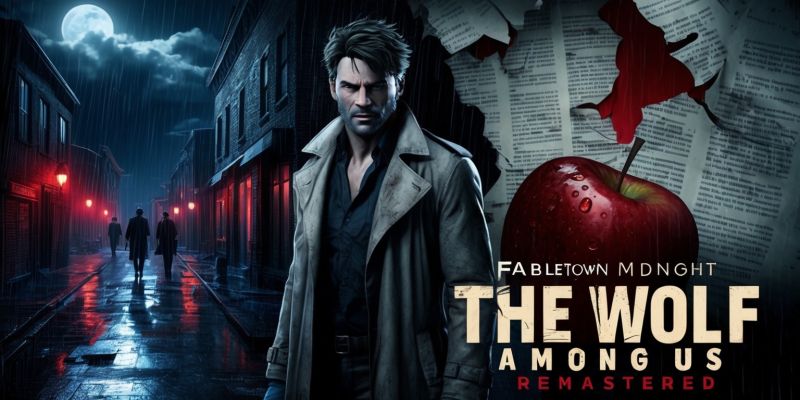
When a story manages to feel like a grim fairy tale and a hard-edged detective drama at the same time, it earns attention that lasts far beyond its release window. The Wolf Among Us Remastered returns to that world with a visual refresh, new behind-the-scenes material, and the same sharply written mystery that made the original stand out. It remains a tale driven by mood, performance, and branching choices, placing you inside a community of familiar folklore figures trying to survive in the shadows of New York. Even with some roughness preserved from the earlier version, the remaster gives the experience a more polished surface and a denser atmosphere, making the streets of Fabletown feel colder, richer, and more uneasy than before.
Fabletown’s Hidden Social Order
The setting is one of the game’s strongest assets. Fabletown is not simply a backdrop, but a living arrangement of displaced legends trying to exist in secret among ordinary people. That idea gives every room, alley, and apartment an extra layer of meaning. The community is governed by rules, fear, resentment, and fragile alliances, and the game constantly reminds you that the residents bearing the weight of centuries of history on their shoulders. This social structure matters because the mystery at the center of the story threatens the entire balance. Every reveal feels personal, not just because of the crime itself, but because the case could expose a hidden society that depends on staying concealed.
Bigby as the Center of Tension
Bigby Wolf is an unusually effective protagonist because his identity creates immediate friction. He is the law in a neighborhood where many people would rather not trust him, and his reputation precedes him in every exchange. That tension gives the player a constant sense of pressure, since every conversation is colored by the possibility that others see him as a past threat rather than a present protector. The role invites you to decide what kind of authority he should embody. You can play him as patient and restrained, or as harsh and intimidating, and the story responds to those choices in ways that affect how other characters read him. His internal struggle becomes part of the mystery itself.
Dialogue That Moves Like a Live Wire
Much of the experience unfolds through conversation, and these scenes hold the game together with remarkable confidence. Dialogue options appear under time pressure, forcing decisions that feel urgent instead of clinical. Because the clock is always ticking, you rarely get to sit back and consider every possible nuance, which makes each exchange feel closer to a real argument or interrogation. The writing handles this brilliantly, balancing sharp wit with emotional weight. The fairy-tale vocabulary never turns silly, because the performers and the scene direction keep everything grounded. Even when the world includes magical artifacts and mythic references, the voices remain human, defensive, and layered with doubt.
Choices That Leave a Mark
The game’s branching structure is not built around flashy branching maps or complicated menus. Instead, it thrives on the quieter force of consequences. Small promises can echo later, broken trust can resurface in new scenes, and characters remember how you treated them. That memory system gives the story a sense of continuity that makes each choice feel more than cosmetic. You may think a dubious threat will simply get you a clue faster, but the social fallout can alter a later interaction in a way that feels earned. The result is an experience that keeps you mindful of your tone, your patience, and your willingness to lean into moral compromise.
Investigation Through Space and Detail
Outside the dialogue-heavy exchanges, the game occasionally hands control over to direct exploration. These moments are slower, but they are essential for building the investigative rhythm. You move through cramped apartments, grimy bars, office spaces, and other locations that are packed with environmental storytelling. Clues are often embedded in the layout itself, encouraging careful observation rather than broad action. Picking through a room can reveal more about a character’s habits than a speech ever could. The remaster’s updated visual texture helps these areas stand out more clearly, with improved furnishings, richer surfaces, and stronger contrast between the lived-in and the sinister.
Atmosphere Built from Light and Decay
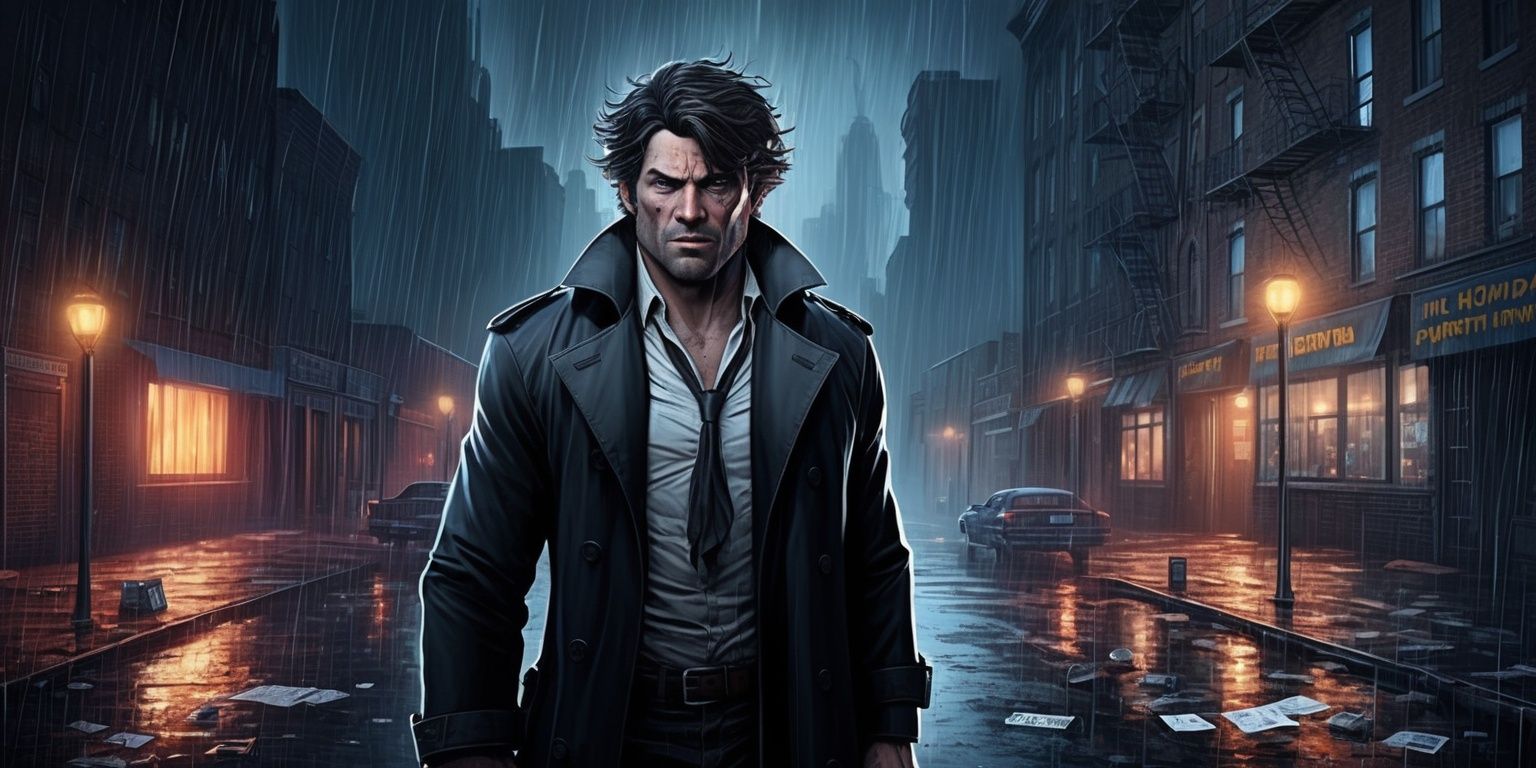
A major reason the game remains memorable is the way it uses aesthetic choices to sustain mood. The noir influence is obvious, but it is filtered through a fantasy lens that creates something distinct. Rain-slick streets, pale interiors, dim lamps, and cluttered rooms all contribute to a world that feels tired yet enchanted. The remaster enhances this quality by refining surface detail and enriching color choices without abandoning the original tone. Some spaces feel almost theatrical in how carefully they present a character’s personality through décor. The effect is not merely pretty; it strengthens the emotional identity of each location and invites you to read the environment as part of the narrative.
Performance and Emotional Weight
The cast remains one of the game’s defining strengths. Voices carry a lot of information here, often doing as much work as the script itself. The characters sound wounded, guarded, irritated, weary, or desperate in ways that make them feel immediate. That level of performance is especially important because the game relies heavily on spoken exchanges rather than long stretches of action. Even when a scene is built around a simple exchange of questions, the delivery can make it feel tense and intimate. The remaster preserves that strength, allowing the emotional cadences to continue anchoring the story. It is easy to stay engaged because the voices never feel disconnected from the world they inhabit.
Interactive Action and Sudden Escalation
When the game shifts into more kinetic moments, it uses quick-time sequences to keep the pace sharp. These segments turn conversations and investigations into bursts of movement, demanding fast reactions during chases, confrontations, and other high-pressure scenes. The animations during these moments can be striking, sometimes dramatic and sometimes unsettling, which helps the action land with more force than a simple button prompt usually would. Frequent checkpoints mean the pace does not punish experimentation too harshly, so the overall flow remains accessible. These sequences are not the main draw, but they add urgency and visual energy at points where the story needs a pulse.
Episode Structure and Narrative Rhythm
The campaign is divided into five episodes, each offering a fairly compact chunk of time. That structure suits the material well because the story is built around gradual reveals and mounting suspicion. The earlier episodes tend to move with impressive momentum, constantly feeding you new information, new warnings, and new personalities to evaluate. The middle stretch expands the web of motives in a way that keeps the investigation active. Then comes a longer, more reflective chapter that slows things down noticeably. This pacing shift does not ruin the story, but it can feel less focused than the rest. Still, the episodic format gives the narrative room to breathe and lets each section end on a note that encourages continued curiosity.
Visual Upgrades with Character in the Walls
The remaster’s clearest improvements show up in the scenery. Interiors have more depth, textures are cleaner, and certain spaces gain a stronger sense of personality through the redesign of props and set dressing. Bigby’s apartment feels sparse in a way that suits him, while social spaces like bars and private offices carry the clutter and wear of people who have lived hard lives. Some of the most interesting changes are in personal spaces full of strange objects, hanging fabric, occult details, or luxurious tackiness. These touches make the environment feel more specific. The remaster does not reinvent the art direction, but it reinforces the original vision with enough polish to make revisiting these spaces worthwhile.
Legacy Extras for Curious Players
Beyond the main story, the package includes a collection of bonus features that cater to fans interested in the production side of the game. There is a noir presentation option that reframes the entire adventure in monochrome, giving the visuals a different kind of sharpness. A gallery compares earlier artwork with updated material, which helps show how certain scenes evolved over time. Interviews with developers and cast members add context for the process behind the adaptation, while playable deleted scenes offer a look at ideas that did not make the final cut. These additions feel somewhat old-school in presentation, but they are valuable for gamers looking to grasp how the project was shaped and what material was left behind.
Friction That Still Remains
Even with the refreshed presentation, some of the roughness from the original release is still visible. Movements can appear stiff, and certain transitions do not always feel fluid. When Bigby examines clues or turns his body in conversation, there are moments where the animation seems mechanical rather than natural. In a modern release, those edges stand out more than they once did. They do not overwhelm the experience, but they are noticeable enough to keep the remaster from feeling entirely seamless. Because the rest of the game is so carefully tuned in tone and writing, these technical imperfections become more apparent by contrast. The result is a version that feels enhanced, but not entirely reimagined.
Player Agency in a World of Rotting Trust
What keeps the game compelling throughout is the feeling that your approach to authority, empathy, and suspicion shapes how the world responds. You are constantly choosing whether to apply pressure, offer patience, or distance yourself from the uglier expectations attached to Bigby’s name. That agency matters because the narrative is not merely about recognizing a culprit; it is about deciding what kind of protector can exist in a decaying community. Each interaction asks you to balance efficiency against decency, and the narrative rarely offers a clean answer. That tension gives the game its lasting pull, especially when every street corner, every reluctant witness, and every uneasy exchange seems to test the version of Bigby you are willing to become.