Industrial Alchemy: Transforming Surplus into Strategic Progress in Factory Management
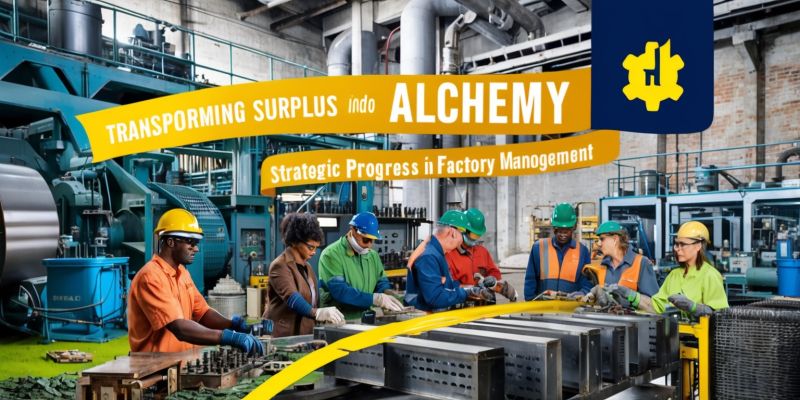
Satisfactory offers players a rich experience in building and management, where every component of a sprawling factory plays a vital role. A fundamental element of this game is the innovative system to manage production surpluses, ensuring that no resource goes to waste. The interplay between high-output production lines and effective resource management forms the backbone of the gameplay. This system not only highlights strategic decisions but also encourages creative problem-solving as players strive to optimize every factory component. By exploring these intricacies, one discovers that achieving efficiency in such a dynamic environment is as Fulfilling despite its challenges, laying the groundwork for new opportunities for continual evolution and retooling of one’s factory setup.
Exploring the Production Nucleus
The game introduces a unique mechanism for managing excess materials, where players find themselves in the midst of an expansive production network. At its At its foundation, the system has been engineered to tackle the… inevitable surplus that arises from large-scale manufacturing. This mechanism invites players to engage in diagnostic thinking and use available tools to balance supply and demand throughout their factories. By implementing dedicated structures, players convert extra items into valuable resources that are instrumental in the overall progression. The design instills a sense of order amidst chaos, transforming surplus into a rewarding asset. As the production volume increases, so does the complexity of managing these outputs, reinforcing the need for a system that streamlines resource disposal and supports seamless gameplay.
Dynamic Resource Management in Action
Central to the gameplay is an innovative building that acts as a conduit for surplus materials turning them into meaningful rewards. This building allows any excess item to be transferred quickly, utilizing the capacity of high-speed conveyor systems integrated within the factory. Its operation revolves around generating points based on item complexity, thereby linking production output to a broader strategic reward system. This feature not only simplifies resource management but also introduces a game layer where careful planning is essential. As players design specialized production lines for these extra items, they must weigh volume against complexity. This dynamic encourages constant revision of strategies. With multiple units scattered throughout an expansive factory setup, players enjoy the freedom to exploit every inch of production space efficiently.
Transformative Features of the Resource Converter
Built to handle an overflow of manufactured goods, this unique system functions as a transformer for unwanted materials. It converts byproducts of high-speed production into points that unlock additional in-game opportunities. The reward mechanism is determined by the complexity of each item, meaning that more intricate components yield exponentially higher rewards. This conversion process is instantaneous, ensuring that a surging production line can feed continuously into the system without creating bottlenecks. Integrating this mechanism encourages players to optimize their factory layout for efficiency, knowing that each extra component is not wasted but transformed into an asset. This conversion system bridges the gap between production efficiency and in-game progression, showing how even surplus elements can contribute directly to a player’s strategy and overall factory performance.
Balancing Throughput with Strategic Sacrifice
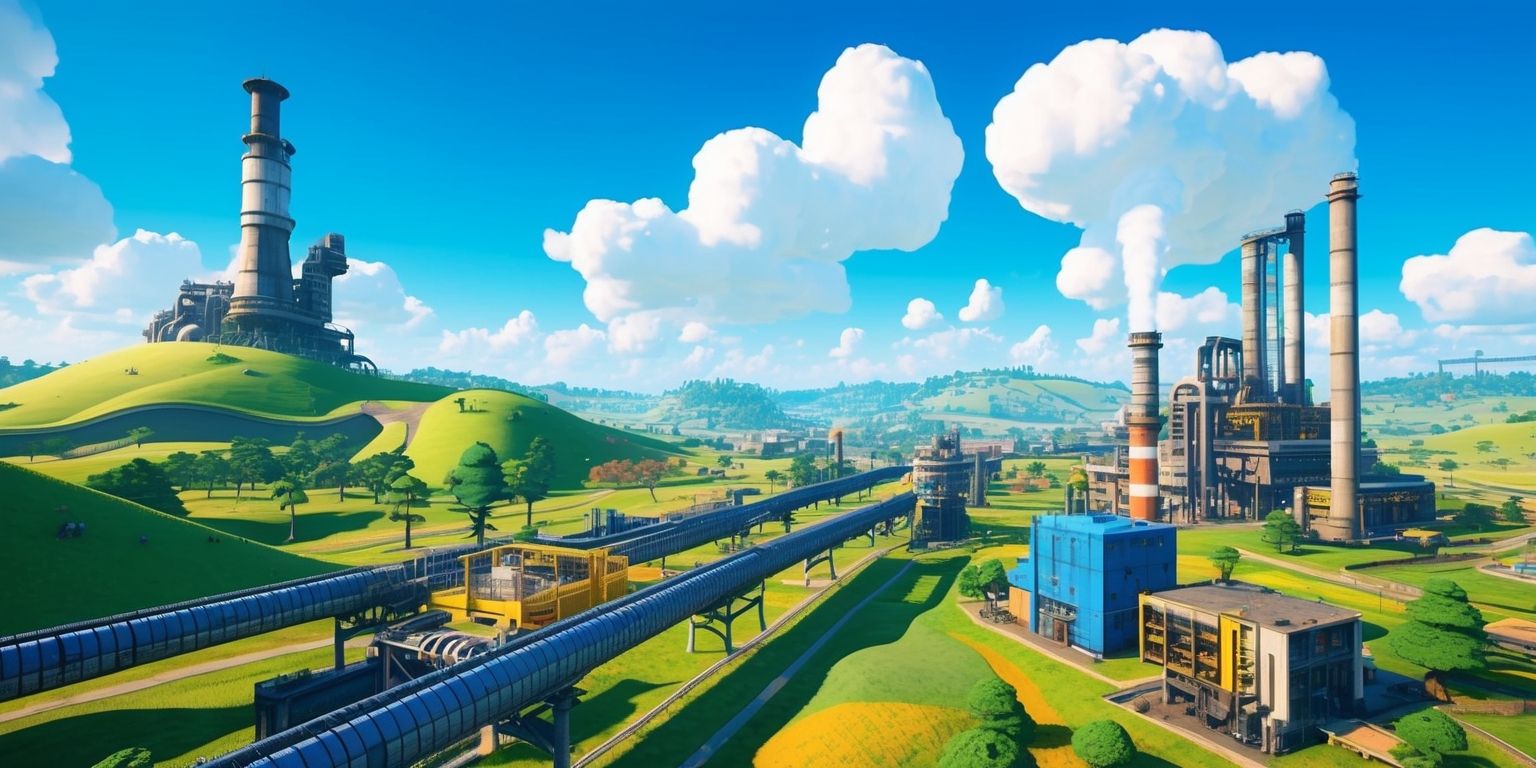
Achieving balance in an industrial landscape is a persistent challenge within the game. The system compels players to distribute their production focus between essential products and items that are suitable for conversion. Faced with the constant possibility of creating excess, players must decide whether to allocate valuable production resources to those items that deliver fast, albeit lower, returns, or to invest in items of higher complexity which offer richer point rewards. This trade-off dynamic requires keen resource management and a strong understanding of the machine’s production capabilities. Players often experiment with different production rates and item combinations, learning through trial and error which strategies yield the most efficient outcomes at any given time. This impressive balancing act is a testament to the game’s depth and the emphasis on thoughtful planning in production design.
Optimizing Through Enhanced Conveyor Infrastructure
The integration of high-speed conveyor belts into factory design marks a significant leap in maximizing the available potential of surplus management. By streamlining the transport of items along these rapid pathways, the game allows for near-instantaneous transfer of materials to the collection unit. This seamless interface is critical when dealing with enormous production volumes that can overwhelm less agile systems. With multiple collection nodes operating within the factory network, players can mitigate potential congestion. Enhanced flow dynamics not only make the overall system more responsive but also add a layer of sophistication to factory design. As players modify and reconfigure their layout to support faster throughput, they witness an increase in the overall production efficiency and a corresponding ease in resource management that significantly alters their gameplay experience.
Complex Items and Their Hidden Value
The game’s reward system places a special emphasis on components with intricate designs. As players progress, they encounter items with greater complexity that produce massive point rewards. These items, often essential in advanced manufacturing processes, offer a way to accelerate progression by converting excess goods into desirable resources rapidly. The challenge lies in weighing immediate production needs against the potential long-term benefits of converting more complex items. Players learn that sacrificing frequently produced, simple items for more intricate ones can become a vital tactical decision. This system encourages a continuous reassessment of factory outputs, ensuring that every decision carries strategic weight. The interplay between complexity and conversion reward enhances the game’s depth and presents an evolving challenge that adapts alongside the player’s advancing skills.
Resource Allocation and Strategic Prioritization
In-depth factory management revolves around the intelligent allocation of resources. Players must navigate the interplay between materials needed for ongoing production and those that can be diverted towards the reward system. Strategic prioritization often involves assessing the landscape of resources on hand and determining the optimal pathway for their usage. This system rewards foresight as much as fast reaction times. The space management concept allows for division among production for immediate needs and materials reserved for conversion into points. Through careful planning, players learn to balance operational requirements with the enticing prospect of unlocking additional gameplay features. Every choice becomes a strategic decision that touches on efficiency, resource value, and overall factory balance, enhancing the immersive experience of the game’s industrial simulation.
Discovering Hidden Economies Within Gameplay
The in-game economy takes on a unique twist with the introduction of a ticket-based reward system. Every converted item offers a certain number of points and, over time, accumulates into tickets that can be exchanged for intriguing cosmetic enhancements and practical improvements. This hidden layer of economic management requires players to plan their production lines not only for immediate material needs but also for eventual conversion into special rewards. The interconnectivity of production elements means that every surplus component counts, making strategic waste management an integral part of long-term planning. Subtle economic decisions influence the available resources at each level of gameplay, Guaranteeing that the player is continually captivated in a This phrasing maintains the original context while ensuring originality sophisticated balance between production and consumption.
Elevating Factory Design With Cosmetic Innovations
The integration of an elaborate reward system means that surplus conversion culminates in the ability to acquire cosmetic building parts and even vehicles. This This component of the game is designed to appeal to individuals who… appreciate not only functional progression but also the aesthetic enhancement of their creative industrial designs. The unique items available for purchase via the ticket system provide opportunities to personalize and style one’s factory. These enhancements do more than just improve appearances; they often signal milestones in the overall progression and evolution of a player’s factory design. As players invest in these upgrades, the game transforms from a purely utilitarian experience into a blend of creativity and technical strategy. This multifaceted approach to progression reinforces the comprehensive nature of modern industrial simulation.
Integrating the System Into the Megafactory Workflow
The expansive scale of a megafactory necessitates a distributed approach to resource conversion and management. By positioning multiple conversion units at strategic points within the production labyrinth, players create an extensive network that guarantees minimal downtime. The interconnected stations function in unison, ensuring that production surpluses are never left unattended. This distributed strategy provides flexibility in the layout and allows players to focus on optimizing different factory sections independently. As production surges in one area, nearby conversion units ensure that the overflow is managed without disrupting the broader system. The thoughtful integration of these systems into varying parts of the megafactory underscores the complexity and flexibility of modern factory design, blending operational demands with strategic foresight.
Innovative Strategies for Maximizing Efficiency
Adapting to the evolving challenges of industrial production is a cornerstone of the game’s strategy. With new technologies and faster conveyor systems coming into play, players are constantly prompted to re-evaluate their processes. Experimental approaches often lead to the discovery of optimal routes that maximize the ratio of points obtained per item processed. By blending efficient production practices with cutting-edge infrastructure upgrades, players create a harmonious system that can handle the highest outputs while still delivering premium rewards. The emphasis on innovation encourages continuous refinement of tactics, ensuring that the gameplay remains challenging and stimulating at every stage. This drive for efficiency propels players to experiment with different item assortments, production speeds, and layout modifications, all leading to a richly rewarding industrial simulation experience.